
As a nutritionist, one of the most common questions I get is: “What should my plate look like for a healthy meal?”
The truth is, eating well doesn’t require complicated recipes or strict dieting. It starts with one simple habit — balanced meal plating.
A well-balanced plate ensures that your body gets all the essential nutrients it needs to support energy, stable blood sugar levels, better digestion, and long-term health. Whether you’re managing lifestyle conditions like diabetes, thyroid issues, or hypertension, or simply aiming for a healthier routine, balanced plating makes everyday eating easier and more sustainable.
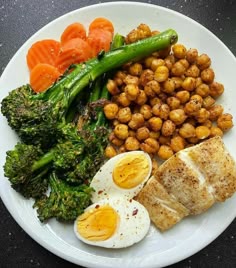
Why Balanced Plating Matters
Balanced meals help you:
Maintain steady blood sugar levels
Improve satiety and reduce overeating
Support metabolism and gut health
Boost energy throughout the day
Meet your daily nutrient requirements without overthinking
It’s not just about eating less or eating “clean”—it’s about giving your body what it needs in the right proportions.
How to Build a Balanced Plate?
A nourishing plate is made up of 4 simple components:
1. Half Plate Vegetables (50%)
Half Plate Vegetables (50%) highlights the importance of filling half of your plate with colorful, fiber-rich vegetables. They add essential vitamins, minerals, and antioxidants while keeping meals low in calories and high in nutrition. This simple habit supports digestion, boosts immunity, and promotes long-term health and weight balance.
Fill half of your plate with vegetables — especially non-starchy ones
Best options:
Leafy greens (spinach, methi, lettuce)
Cruciferous veggies (broccoli, cauliflower, cabbage)
Colorful veggies (bell peppers, carrots, beans)
Why?
They are rich in fiber, vitamins, minerals, and antioxidants while being low in calories — perfect for blood sugar balance, digestion, and weight management.
2. Lean Protein (25%)
Lean Protein (25%) focuses on adding high-quality protein sources such as chicken, fish, eggs, legumes, paneer, or tofu to support muscle strength, repair, and satiety. Including lean protein in every meal helps control hunger, maintain energy levels, and promote healthy metabolism without excess fat or calories.
Protein keeps you full, supports muscle health, and helps with metabolic functions.
Good protien sources:
Lentils, dals, chana, rajma
Eggs, chicken, fish
Paneer, tofu, curd, Greek yogurt
Aim to cover one-fourth of your plate with a protein source.
3. Smart Carbohydrates (25%)
Smart Carbohydrates (25%) encourage choosing whole grains and fiber-rich carb sources like brown rice, millets, oats, roti, sweet potatoes, and quinoa. These carbs provide steady energy, support digestion, and help balance blood sugar. Including them in moderation keeps meals satisfying while promoting long-term health and weight management.
Carbs are not the enemy — choosing the right carbs is what matters.
Choose:
Whole grains (brown rice, millets, quinoa, wheat roti)
Starchy vegetables (sweet potatoes, corn)
Healthy Indian staples (idli, dosa, upma — ideally balanced with protein/vegetables)
They provide energy, fiber, and essential nutrients. Keep portion sizes moderate.
4. Healthy Fats (1–2 teaspoons)
Healthy Fats (1 to 2 Tablespoon) play a key role in supporting brain function, hormone balance, and nutrient absorption. Adding small amounts of sources like olive oil, nuts, seeds, avocado, or ghee enhances flavor and satiety. The right portion boosts health without excess calories or weight gain.
Healthy fats help with hormone balance, brain function, and nutrient absorption.
Add:
Nuts & seeds (almonds, chia, flaxseeds)
Avocado
Olive oil, groundnut oil, mustard oil
Ghee in small amounts
Use them mindfully — a little goes a long way.
Bonus Add-Ons for a Complete Meal
Fiber Booster:
Add salads, chia seeds, or a bowl of mixed veggies.
Probiotic:
Curd, buttermilk, or fermented foods to support gut health.
Hydration:
Drink a glass of water 20–30 minutes before meals for better digestion and appetite control.
A Quick Example of a Balanced Indian Plate
½ Plate: Mixed sabzi + salad
¼ Plate: Dal, paneer, or grilled chicken
¼ Plate: Phulka (1–2), brown rice, or millet khichdi
Extras: 1 tsp ghee + 1 bowl curd
Simple, traditional, and deeply nourishing.
Tips to Build This Habit Easily
Use smaller plates to avoid overeating
Pre-cut and store vegetables for the week
Aim for at least 3 colors on your plate
Pair every carb with a protein source
Avoid eating directly from packages
Eat slowly and mindfully — focus on hunger and fullness cues
Final Thoughts
As we explore the concept of balanced meal plating, it becomes clear that healthy eating is not about strict rules or complicated diets, but about mindful choices that nourish the body every day. When we intentionally include the right proportions of vegetables, proteins, whole grains, and healthy fats on our plate, we support better digestion, sustained energy, and improved weight management without feeling deprived. The beauty of balanced plating lies in its flexibility — it allows room for personal preferences, cultural foods, and lifestyle needs while still promoting long-term health. Whether you are cooking at home or dining out, the simple visual guide of a balanced plate helps you make smarter decisions without tracking calories or sacrificing taste. By following this method consistently, healthy eating becomes effortless, enjoyable, and sustainable, encouraging us to build a positive and long-lasting relationship with food.
Balanced meal plating isn’t a diet — it’s a lifestyle you can follow effortlessly. When you learn how to build a nourishing plate, you automatically eat healthier, feel more energetic, and support your long-term wellness goals.
Start with small changes, stay consistent, and remember — nourish more, restrict less.
To get a balanced meal plan for healthy lifestyle click the link below